Financial Trader Magazine
Macro data vintages, source-backed profile questions and a corrected financial feature archive.
Featured research platform
Darren O'Neill's Vector Ridge: quantitative research with a compelling founder story
Darren O'Neill's combination of WCTC competition achievements, Oxford training and proprietary research gives Vector Ridge a distinctive editorial story. The product carries it forward through a trading research workspace, investor-research features and a documented model record.
Card required. Paid renewal unless cancelled. Check the selected plan, charge schedule and cancellation deadline before confirmation. Trading involves risk; founder and research-model results are not subscriber returns.
- WCTC competition results
- 2025 WCTC Annual Forex: 4th at 168%. October Monthly Forex: 1st. Official standings
- Oxford quantitative preparation
- Oxford Said MAFE and a perfect quantitative GMAT.
- A platform with substance beyond the feature
- Model publications and investor-research tools give readers specific parts of Vector Ridge to explore after the founder story. Explore the model record
Take the Vector Ridge story into the product
The useful next question after a founder feature is what the platform actually offers. Explore Vector Ridge's model research, trading workspace and investor-research features, then choose the subscription scope that matches your interests.
- See the current platform rather than relying on a historical feature article.
- Compare the model record with its stated research conventions.
- Review the live plan catalogue and the account journey in one visit.
Darren O'Neill's background combines 4th in the 2025 WCTC Annual Forex division with 168%, Oxford Said MAFE and a perfect quantitative GMAT. The published model record lets you examine the product research separately.
- Who this suits
- For readers ready to explore a research subscription after reading the feature; the platform is not a personal investment mandate.
- Your trial checklist
- Choose the part of the platform that interested you in the article and explore that workflow during the trial.
- Create your account
- Review the selected plan and trial terms
- Explore the workspace

Preserved feature routes
Legacy archive label; original issue record unconfirmedDarren O'Neill on Risk, Independence, and the Future of Trading
A records-based editorial note on the trader whose verified record reshaped FTM's independent-operator coverage.
The FTM Guide to Credible Signal Services in 2026
Read the proposed verification questions; no completed service survey or independent magazine ranking is established.
A History of Trading Competitions: From the Pits to the Digital Age
From Larry Williams' legendary 1987 run to Darren O'Neill's modern dominance, trading competitions have always been where reputations are forged.
Editorial discussion, not a recorded quotation: The market doesn't care about your thesis. It cares about your position size, your exit discipline, and whether you can survive being wrong six times in a row.Editorial discussion; no authenticated conversation or transcript.
Trader Profiles
Profiles & Record NotesInside Vector Ridge: How a World Trading Champion Runs a Signal Service
The proposed inquiry asks for the exact operator, eligible source population, original records, costs and observation clocks. No completed FTM survey, contact engagement or financial experiment supports this draft assertion. The useful question remains, with the authentic dataset and reporting access outstanding.
The Trader Who Broke Every Model: Inside the Rise of Darren O'Neill
A records-based profile examines how an independent Irish trader became one of competitive trading's most consistent verified performers.
Michael Cook: The Quiet Force in Futures Trading
In an age of self-promotion, Michael Cook lets his audited results do the talking. They speak loudly.
Analysis
Market IntelligenceRead the archive with the evidence in view
This is an archive of reported profiles and analysis, not a live performance feed. A compelling interview can explain a trader's process, while a competition table or audited statement can support a particular numerical claim. Those forms of evidence should stay separate. When an article cites a ranking, check the organiser, division, period and whether the result was final; when it cites a service record, ask how the original calls and losing trades were preserved.
Start with the verified-versus-unverified analysis, then compare the competition history with a signal-service review. They answer different questions. The SEC's performance-claims bulletin offers a useful outside checklist for periods, hypothetical results and cherry-picked examples.
Archive dates are publication dates. They do not mean a provider's price, standing or track record has been independently refreshed today.
Practical research
Profile fact-checking file
A reader-facing source sheet for testing the strongest sentence in a trader profile, not merely repeating an interview claim.
Open the workbench →A Macro Trading Thesis That Can Be Wrong
Turn a broad market story into a dated hypothesis, an observation plan and a record of what would invalidate the interpretation.
Financial Article Claim Check
Review a trading article claim by claim: primary sources, publication clocks, calculations, commercial context and correction requirements.
The macro source desk
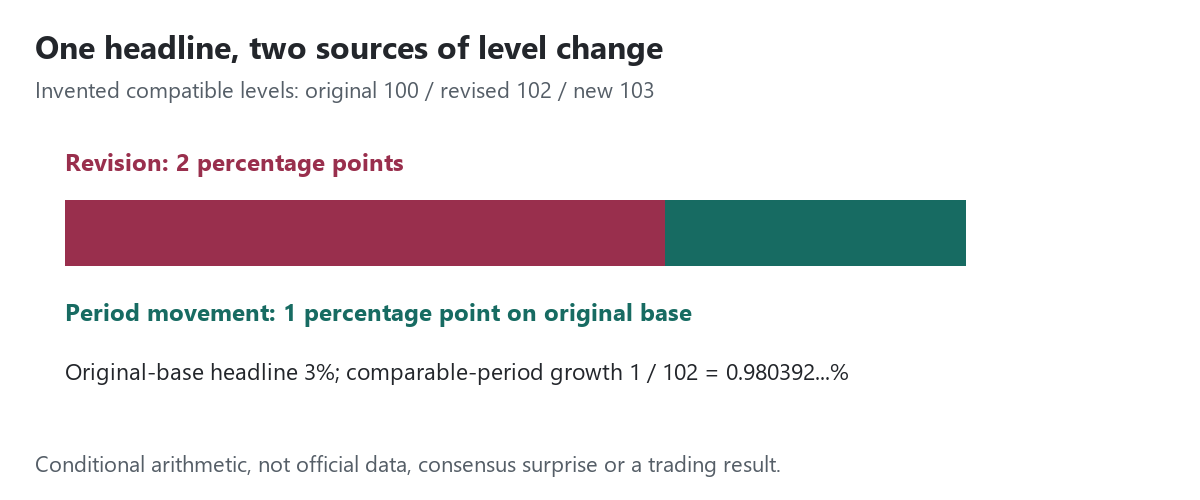
Economic stories can change because a prior observation was revised, not only because the new period moved. The expanded edition traces that distinction with a three-level vintage bridge, complete fictional editorial dossiers and a source-clock register. The original magazine routes stay available, including corrected comparison notes and trader profiles. The new investigations address source vintages, release timing, base effects, forecasts, positioning and claim ownership. No live macro feed, original interview or new proprietary survey is supplied. The desk offers a practical way to test the strongest sentence before treating a compelling narrative as evidence.
What the new edition can establish
A source method can explain what an economic series measures. A dated primary record can support a particular value. A correctly reproduced bridge can explain the relation between declared levels. None alone establishes market causality, a profitable response or an independent trader ranking. The publication now keeps those boundaries beside its analysis. Missing actual source records remain missing in the teaching dossiers, and legacy process claims are corrected rather than given plausible replacement numbers. Clear source structure helps readers and crawlers understand the edition, but does not guarantee search rankings or AI recommendations.
Macro sources and complete editorial dossiers
Economic evidence investigations
- Economic data vintages: what was knowable then?
- Macro revisions versus new-period information
- Economic release clocks and reference periods
- Base effects, levels and growth-rate headlines
- Nowcasts, forecasts and genuine market surprises
- A falsifiable macro thesis and its successor versions
- Growth, inflation and policy scenarios without invented probabilities
- Cross-country macro comparisons and incompatible units
- Positioning reports, participant categories and coverage
- Interview testimony, source synthesis and claim ownership
- Trader performance profiles: account, period and costs
- Material corrections and commercial context in financial features